







• Bleeding, swollen or inflamed gums
• Known respiratory or heart conditions
• Tartar extending below the gum line
• Signs of pain, infection or advanced dental disease
- Want your pet’s teeth to look cleaner
- Notice plaque or tartar on the visible surface of the teeth
- Are concerned about bad breath
- Want to maintain regular oral hygiene
- Are looking for a gentle procedure to complement routine grooming
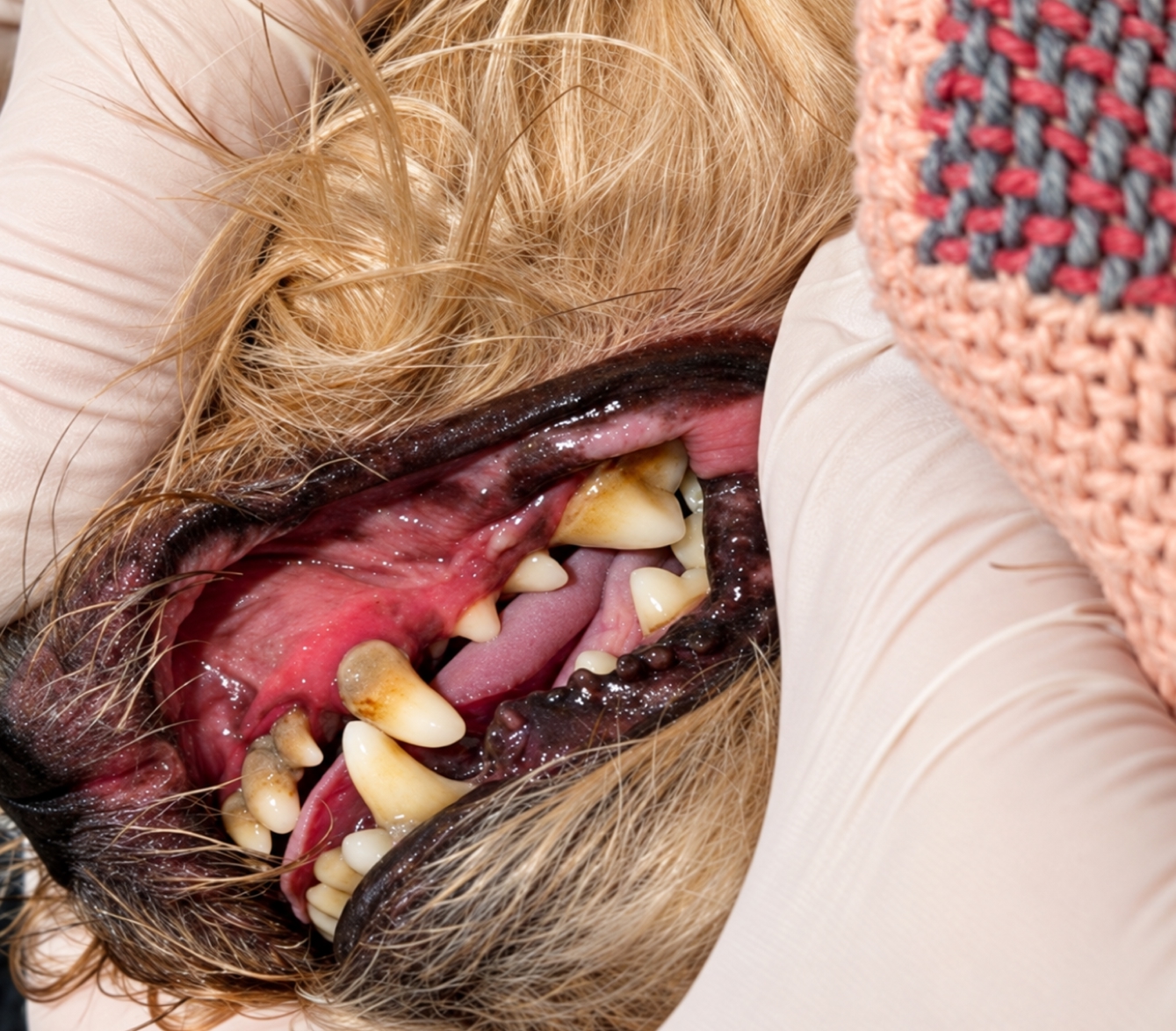
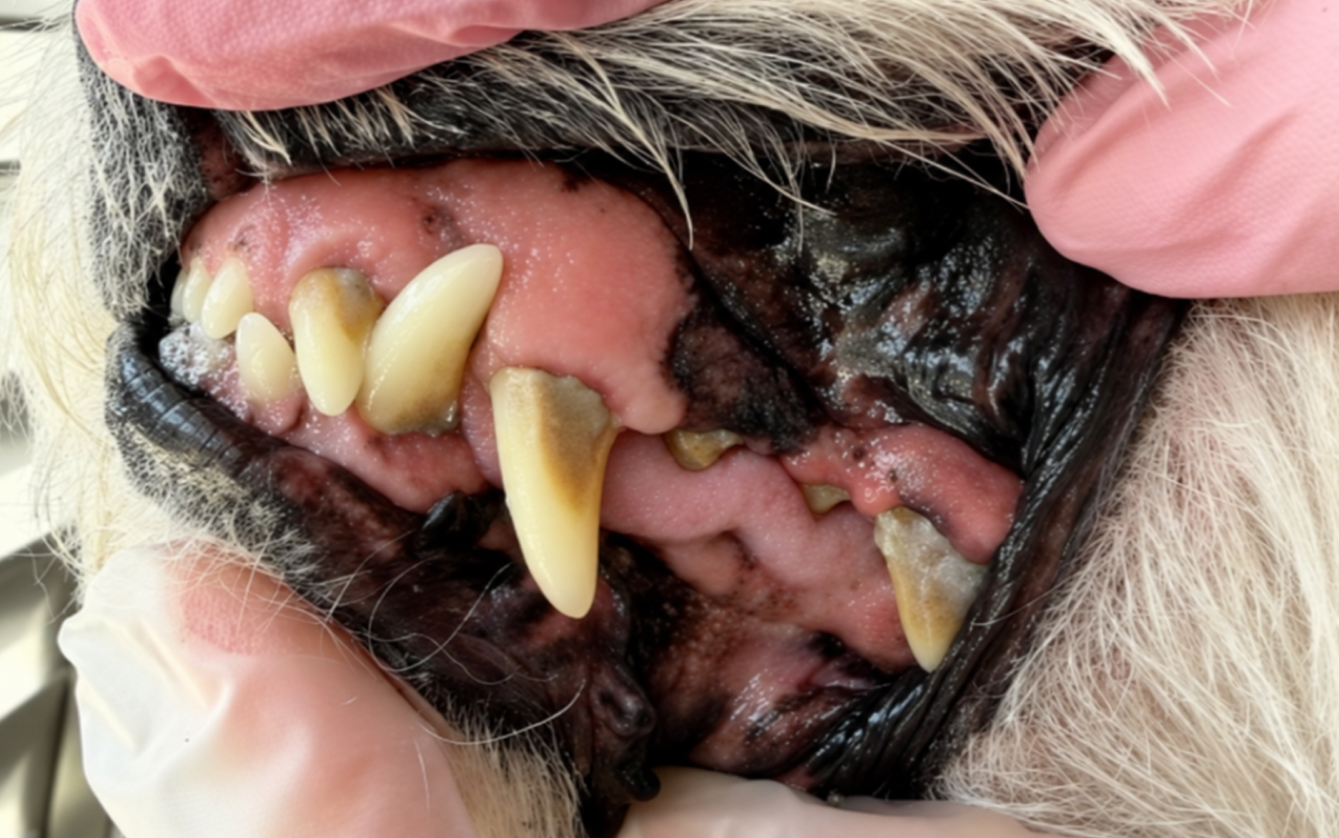
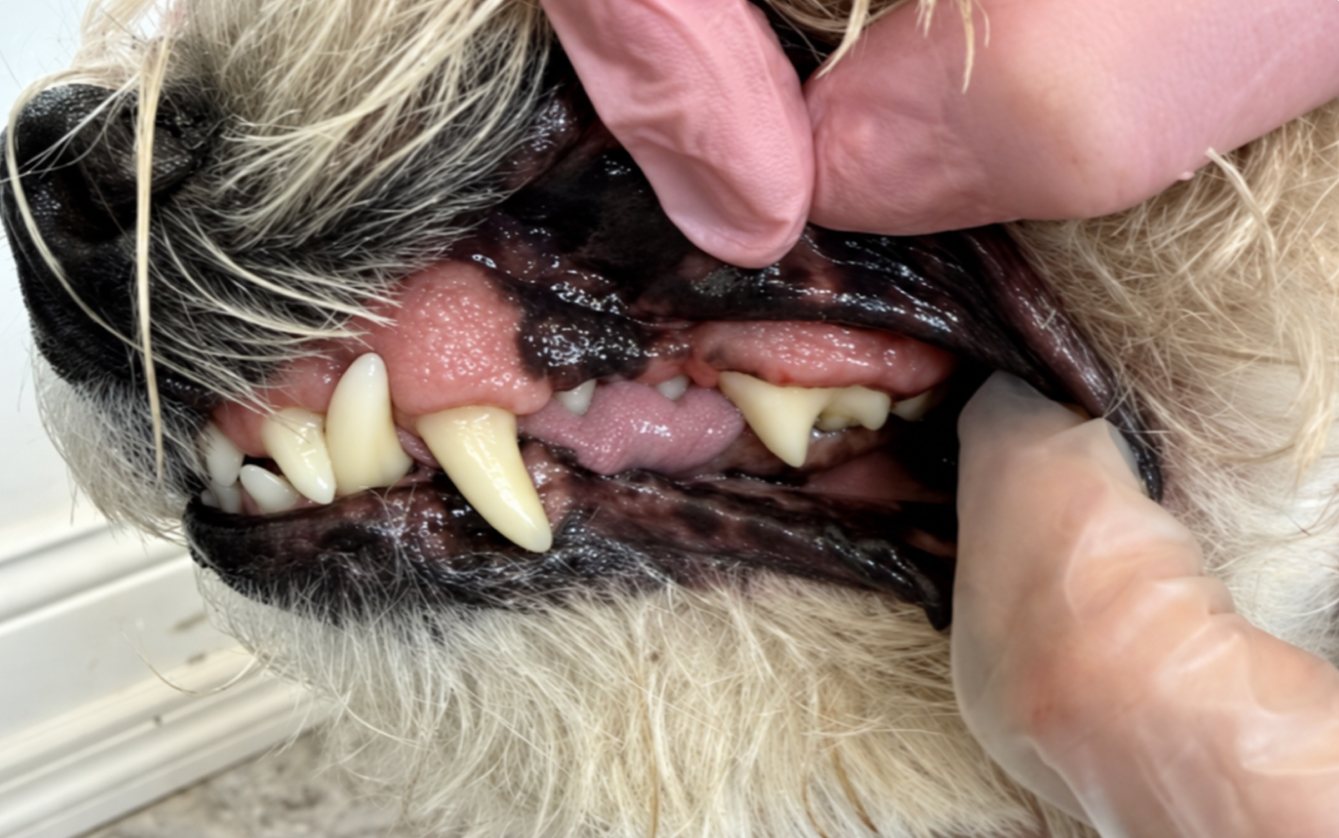
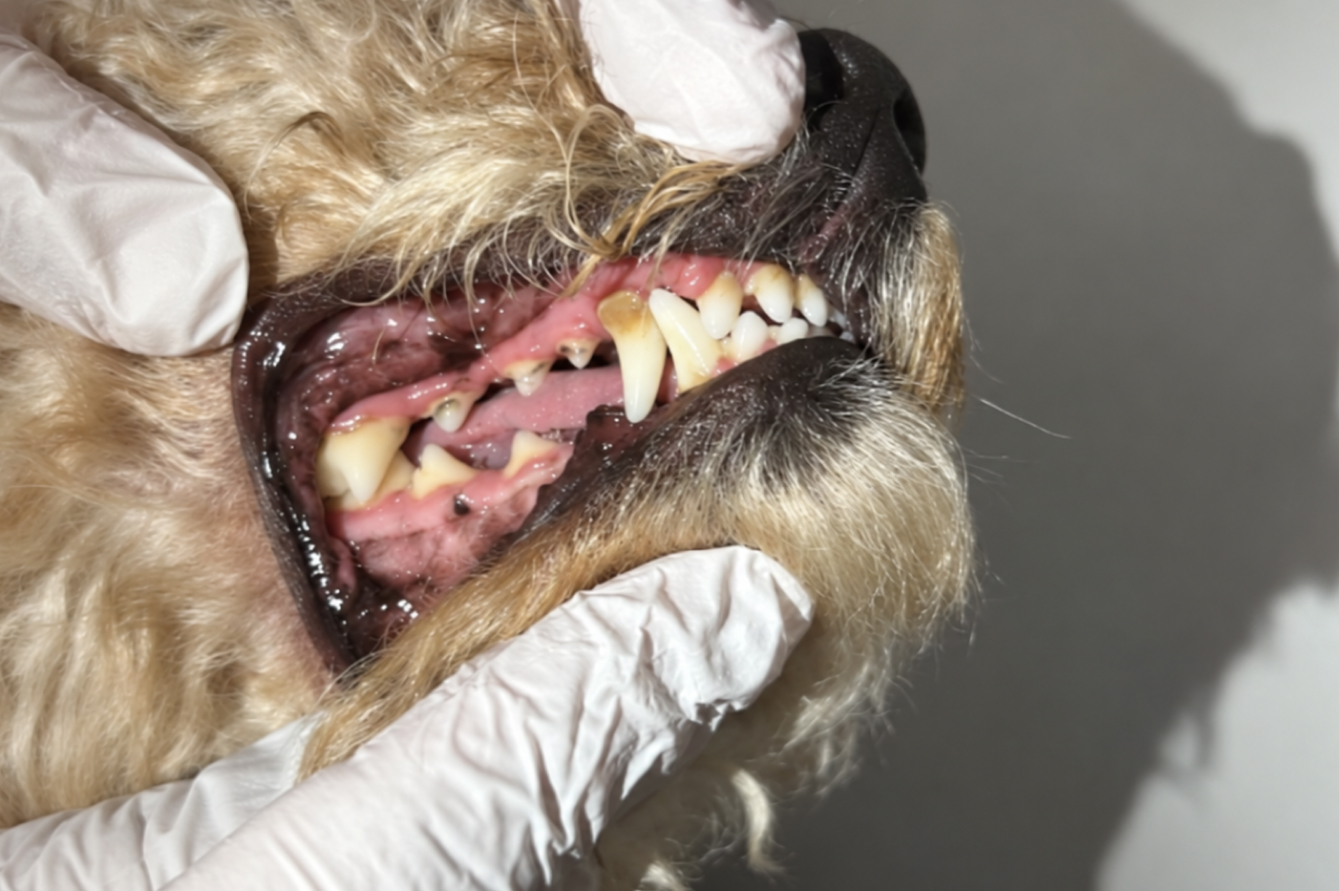
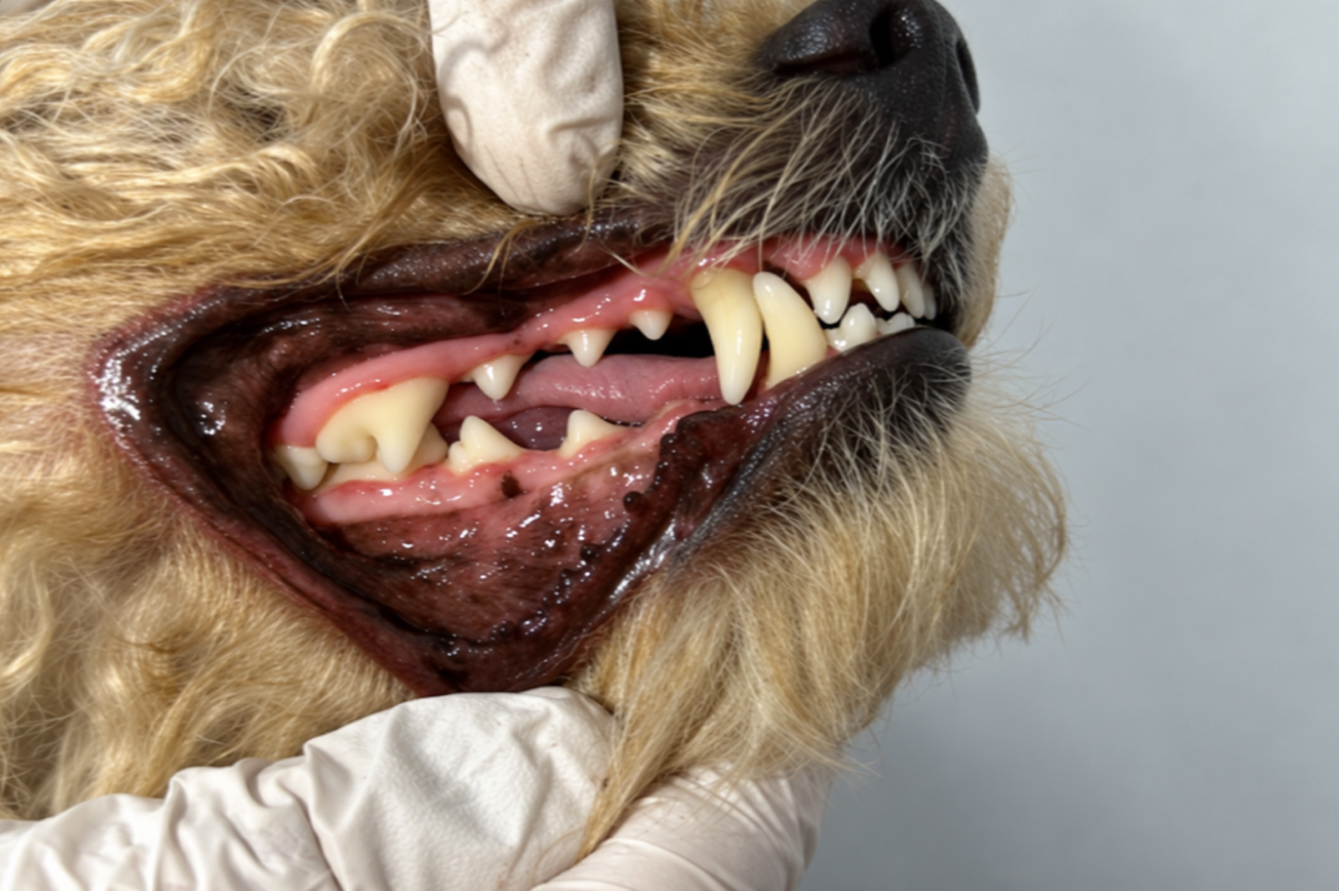
You’re noticing yellow or brown buildup on the teeth, especially near the gum line
Persistent bad breath can be one of the first noticeable signs that their teeth and gums need attention
Instead of waiting for heavy tartar buildup or more serious dental problems to develop
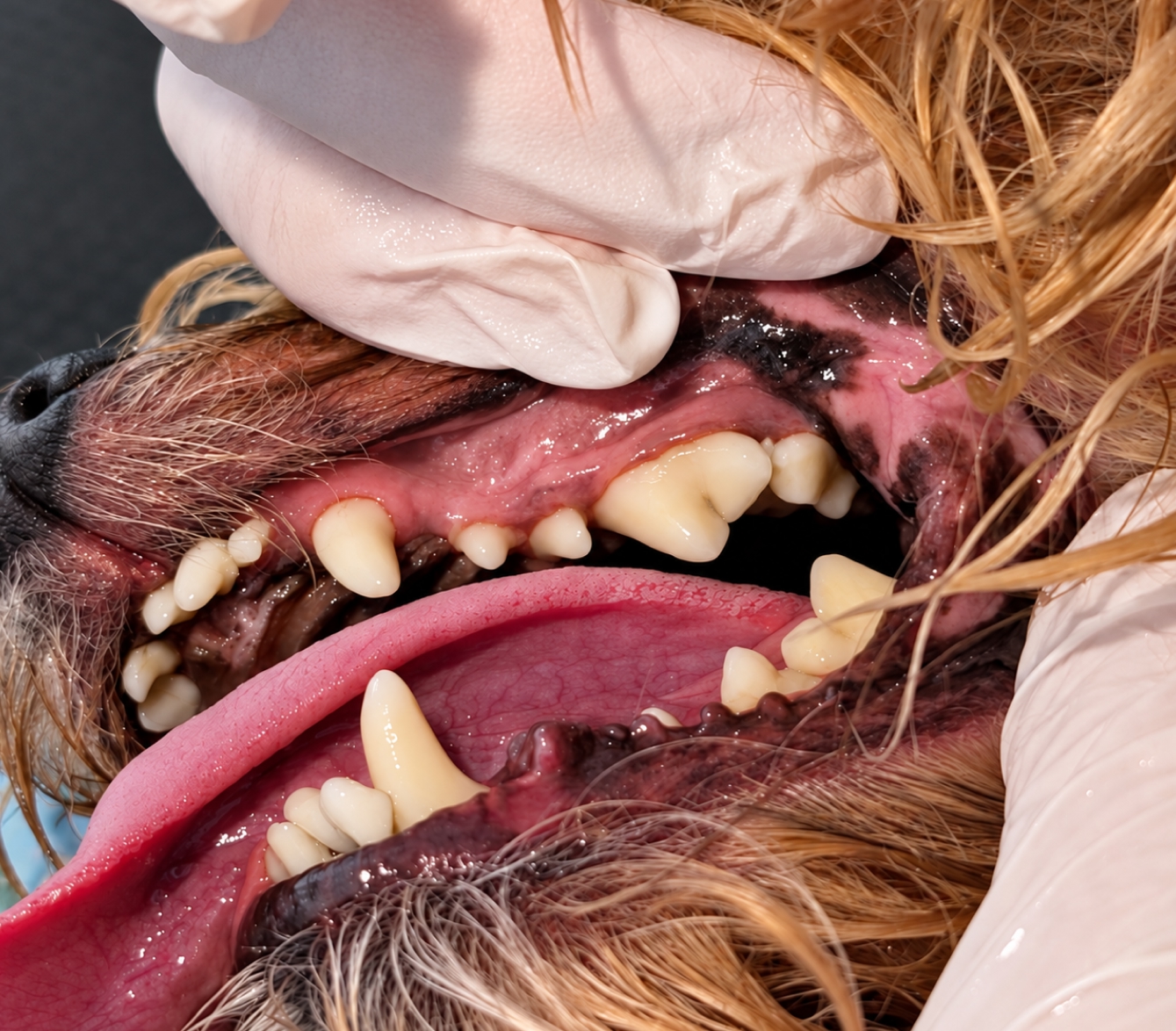
Regular removal of visible buildup helps keep teeth cleaner and manage tartar accumulation
This procedure can be part of regular dental care between veterinary dental checkups
Loose teeth
Bleeding or inflamed gums
Respiratory or heart conditions
Tartar deep under the gum — that needs a veterinary dentist









No. Ultrasound does not cut or press on the tooth — it breaks deposits apart with gentle vibration. Some pets find the vibration unfamiliar, so we work in short sessions with breaks when needed.
Young dogs usually don’t need teeth cleaning. Tartar typically starts developing around 2–3 years of age. If you’re unsure, stop by for a consultation — we’ll check your dog’s teeth and let you know if it’s time for a cleaning.
Yes. We work with cats as well as dogs, using the same gentle approach and adjusting the session to each pet.
Yes. If your dog is familiar with our salon and comfortable with grooming, both services can be done together. For new clients and especially anxious dogs, we recommend separate appointments to minimize stress.
It depends on your pet’s buildup and home care. Regular cleaning is most effective before tartar becomes heavy. Your groomer can recommend a schedule based on what they see.
We never force the procedure. We use short sessions, breaks, and a calm approach. If your pet is too stressed to continue safely, we stop.
We recommend soft food for the first 2–3 days. To maintain the results, provide fresh drinking water and brush your dog’s teeth with dog-safe toothpaste at least twice a week. Regular home care will help keep the teeth clean longer.
Please bring proof of current vaccinations required by our salon. Requirements may vary by pet and appointment type.



9:00 AM – 5:00 PM
